

.webp)




For digital platforms and other digital service providers, the case underscores a growing challenge: regulators are looking beyond written policies and asking whether governance systems can identify, document, and reduce concrete harms at scale for EU users, including risks to fundamental rights. Nemko Digital supports organisations facing this shift through structured AI Regulatory Compliance services that help translate complex regulatory requirements into practical action.
Digital Services Act Compliance Raises the Bar for Platform Risk Assessments
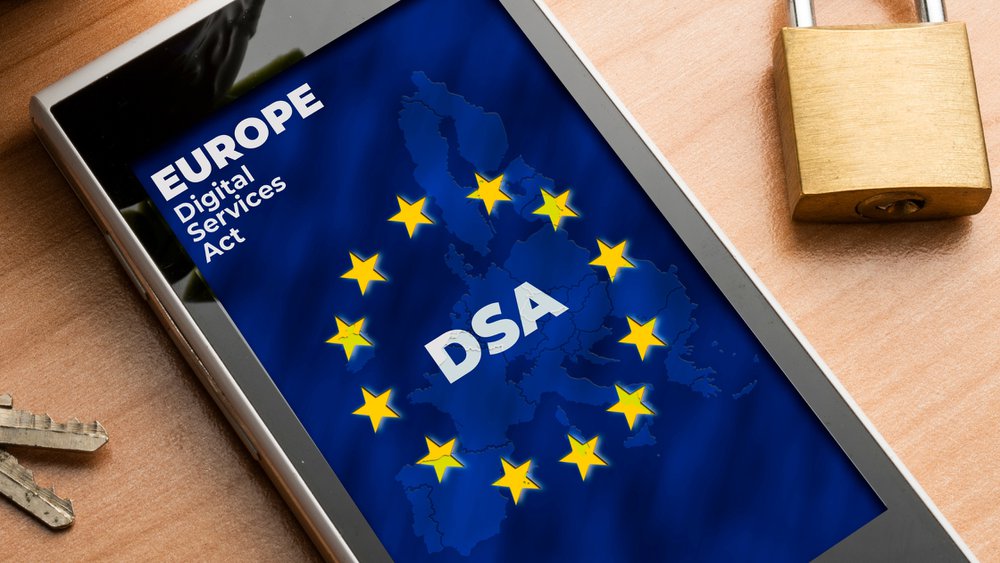
The European Commission announced that Temu had failed to diligently identify, analyse, and assess systemic risks connected to illegal products being offered to consumers in the European Union, across the single market and its member states. According to the Commission, evidence indicated that EU consumers were very likely to encounter illegal items on the platform as part of the broader stream of reported content that marketplaces must manage.
The decision centres on Temu’s 2024 risk assessment, which the Commission said was based on general e-commerce sector risks rather than evidence specific to Temu’s own service. It also found that the assessment underestimated illegal product exposure and did not properly evaluate how algorithmic recommender systems and influencer-led product promotion programmes could amplify dissemination risks, including potential disinformation dynamics and age-inappropriate content exposure.
Under the Digital Services Act, designated Very Large Online Platforms (large online platforms) and other designated platforms must assess systemic risks linked to their services and adopt corresponding mitigation measures. The finding is particularly relevant for platforms using algorithmic ranking, affiliate marketing, product promotion, and large-scale third-party seller models—as well as adjacent content-sharing platforms and social media platforms (including Facebook, TikTok, and Youtube) and even search engines where product discovery can be influenced. It also signals expectations around data access, user consent, and clear rules for how business users and sellers participate in consumer services.
Product Safety Evidence Was Central to the Temu Fine
The Commission said its investigation included a mystery shopping exercise conducted by an independent testing organisation. The findings cited in the decision included a very high percentage of selected chargers failing basic safety tests, while many tested baby toys presented medium-to-high safety risks because of excessive chemicals or suffocation hazards from detachable parts.
For organisations building or operating digital marketplaces, these findings show that online platform governance is increasingly tied to product safety controls and operational evidence. Governance programmes must connect platform design, seller oversight, risk monitoring, and escalation processes into a coherent control system - covering core marketplace functions as well as the underlying hosting service obligations and how reported content is triaged and actioned (including through mechanisms such as trusted flaggers where applicable). Nemko Digital’s AI Governance Services help organisations establish accountability, transparency, and evidence-based oversight across complex digital operations, including setting high-priority steps, defining reporting periods, and preparing for potential sanctions that can be linked to global annual turnover.
The decision follows the Commission’s earlier formal proceedings against Temu, opened in October 2024, which included concerns about obligations to assess systemic risks related to illegal products and other illegal content, such as illegal hate speech. The final decision relied on Temu’s 2024 and interim 2025 risk assessment reports, formal information requests, third-party information, customs and market surveillance data, and independent testing evidence.
What Happens Next for Temu Under the DSA
Temu has until 28 August 2026 to submit an action plan under Article 75 of the DSA. The plan must set out measures to remedy the breach of its risk-assessment obligations. The European Board for Digital Services will then have one month to issue its opinion after receiving the plan, followed by a Commission decision setting a reasonable implementation period, potentially informed by future guidance, a delegated act, or other implementing measures.
Failure to comply may lead to periodic penalty payments. For other large platforms, the case is likely to sharpen attention on whether risk assessments are specific, documented, regularly updated, and tied to measurable mitigation measures - particularly where powerful tech platforms operate at scale, including smaller platforms that may follow similar governance patterns, and where major ecosystems (e.g., Microsoft-linked marketplaces or services) integrate multiple consumer-facing touchpoints.
Digital Governance Becomes a Compliance Priority
The Temu decision reinforces that Digital Services Act compliance is not limited to legal documentation. It requires operational governance, credible evidence, and continuous monitoring of how platform design choices influence user and consumer risks, including illegal content, product safety, and harms connected to disinformation and age-inappropriate content.
For Nemko Digital’s audience, the development is closely connected to broader digital trust priorities: responsible platform design, accountable use of algorithmic systems, and verifiable governance. Organisations seeking to strengthen their control environment can use Nemko Digital’s AI Governance pillar to understand how risk-based governance supports transparency and accountability, while AI Management Systems provide a structured route for embedding governance into everyday operations - alongside broader discussions emerging in the European Union around digital fairness act proposals and updated consumer protection expectations.